
Why Meditate? Part 3
Welcome to part three of this mini-series which explores why meditation might benefit you. If you missed parts one and two, go back to the last two blogs and have a quick read. In this part I am going to explore how you can change your experience of the present moment, whatever might be happening in it!
We already know that we have got a foundation of focus and extra space if we practice regularly. That can alter how you are experiencing right now. But it can go a lot further than that.
Let’s take the example of physical pain. Mindful meditation has taught you to redirect your focus repeatedly to a central point that acts as an anchor, often the breath. As you develop new neural pathways you automatically spend less time anticipating future events and more time in the present when you are away from the meditation cushion.
‘So what?’ I hear you ask. Well, when we are more present and have learned to adjust very negative self-talk, we are far more likely to handle pain better. In fact, research has shown that meditators have a higher pain threshold, are less likely to rely so heavily on pain relief medication and are less inhibited by pain when it comes to daily activities such as sport and walking.
We can change the relationship we have with physical pain, and this in itself is life changing. It helps that our practice also teaches us the constant nature of change, so if we are addressing temporary bouts of pain and discomfort, we can have a different perspective and outlook. But this outlook can also be highly pertinent when it comes to living with long term health conditions that involve physical pain.
My clients tell me how things are different, and the many individuals I have worked with who suffer from rheumatoid arthritis tell me meditation is now a deeply ingrained part of their treatment plan. (Meditation can help to reduce inflammation so this coupled with a higher pain threshold is very valuable to them).
Physical pain is one thing, but what about our emotional health?
Can mindful meditation help us to change the relationship we have with our own emotions?
You guessed it! Yep, it absolutely can. Two key ingredients of the mindfulness recipe happen to be awareness and acceptance. The practice invites us to be aware of whatever is present, without pushing it away or suppressing it. This includes the uncomfortable stuff: grief, regret, loneliness, embarrassment. You name it, there’s no censoring the present moment when it comes to the practice.
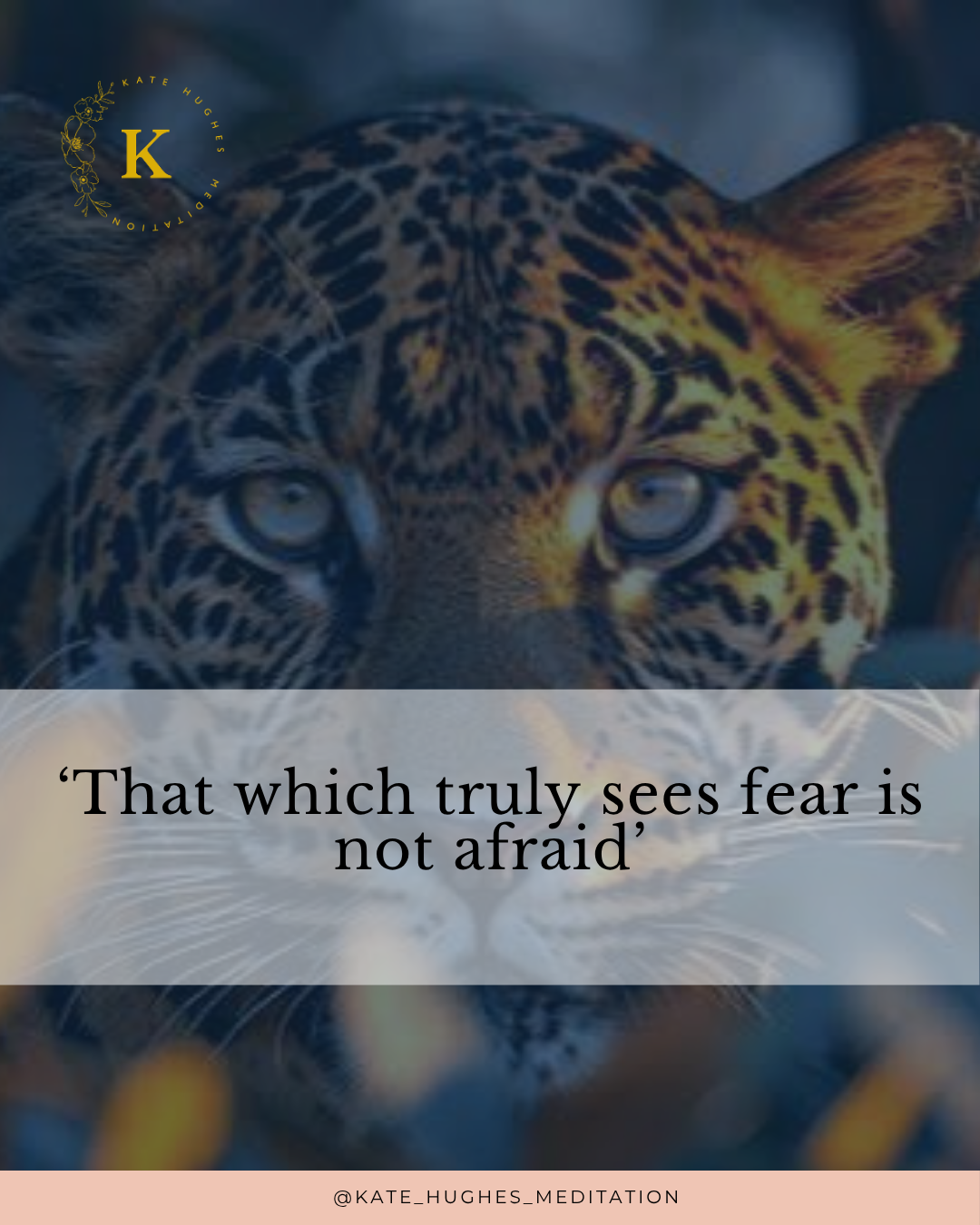
When we can begin to tolerate these hurts, when we can look them in the eye, when we can start getting comfortable with them, they lose their sting. There’s a saying in Japanese ‘that which truly sees fear is not afraid’. This work is not easy, but it is transformational.
This is why I work with clients to first develop a mindful practice, and only then to begin to unpack the complex strands of things that may be making them feel stuck or uncomfortable in the coaching space.
The destination: freedom.
How might you want to change your experience of the present moment?
Get in touch to find out how I can work with you. From 1-1 sessions and on-demand learning, to group classes and events. There really is no better time than now.